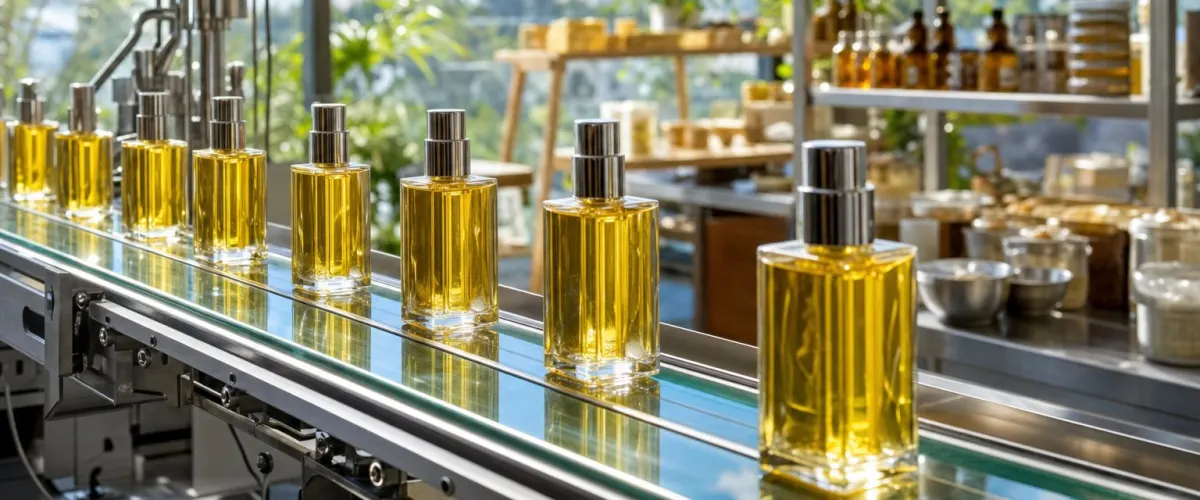
Brazil's Agência Nacional de Vigilância Sanitária (ANVISA) published RDC 1.045/2026 and IN 474/2026 in the Diário Oficial da União on October 5, 2026, after Collegiate Board approval on October 2, 2026. The two acts create Brazil's first specific framework for artisanal cosmetics, regulating the production and sale of handmade soaps, oils, perfumes and similar products under Lei 15.154/2025, which directed ANVISA to set simplified rules for the sector. Both acts enter into force 60 days after publication.
Brazilian artisanal producers of solid soaps, body oils and butters, solid shampoos and conditioners, bar deodorants and alcohol-based perfumes, together with the small brands and the family members or collaborators who sell those products, must align their formulas, hygiene practice, claims and labels with RDC 1.045/2026 and IN 474/2026 by December 4, 2026, or remain under the full industrial cosmetics regime and face sanitary infractions under Lei 6.437/1977 verified by state and municipal surveillance after the activity starts.
What does the new framework change for artisanal producers?
The framework moves eligible artisanal producers out of the industrial cosmetics rules that previously applied to them. Instead of the registration, AFE and technical manager required of factories, an eligible producer obtains automatic sanitary licensing from the local vigilância sanitária with no prior analysis, visit or inspection, subject to later verification, and is exempt from hiring a responsável técnico: product safety falls under the producer's direct responsibility. Shelf life is capped at 12 months, matching the stability profile of low-water artisanal formulations. Sales may run through the producer's own shop, craft fairs, social networks, websites and own marketplaces, and family members or collaborators may sell in the producer's name.
| Obligation | Industrial cosmetics regime | Artisanal regime (RDC 1.045/2026) |
|---|---|---|
| Product registration or notification with ANVISA | Required | Exempt |
| Authorisation of Operation (AFE) | Required | Exempt |
| Technical manager (responsável técnico) | Required | Exempt; producer is responsible |
| Sanitary licensing | Prior analysis and inspection | Automatic, verified later |
| Shelf life | Per formulation | Maximum 12 months |
Who can use the artisanal regime, and who cannot?
The regime applies only to producers who work predominantly by hand, at small scale, with complete command of every stage from ingredient selection to packaging, and who do not outsource any part of the process. Formulations must be simple, use ingredients whose safety is already recognised, and carry low water content to limit microbiological risk.
IN 474/2026 lists the eligible product categories: alcohol-based perfumery products, room odorants, solid bath products, solid soaps, solid shampoos and conditioners, body oils and butters, and underarm bar deodorants. A product outside that list, or a producer who outsources production or uses high-water formulations, does not qualify and stays in the industrial regime regardless of size.
What must producers put in place before December 4, 2026?
The simplification does not remove the duty of safe production. RDC 1.045/2026 imposes good practices adapted to the artisanal scale, and every label must carry:
- product name and ingredient list;
- manufacture date and shelf life, at most 12 months;
- production address, weight or volume, and warning phrases;
- the mandatory "PRODUTO ARTESANAL" mark.
Producers must also keep rigorous hygiene in the production area and utensils, avoid wooden or porous utensils that are hard to clean, respect the shelf life of raw materials, assess final product quality before sale, and run a consumer service channel that records complaints and the measures taken to resolve them.
What happens if a producer does not meet the conditions?
A product or producer outside the artisanal conditions remains under the industrial cosmetics rules, including registration, AFE and a responsável técnico. A breach of RDC 1.045/2026 is a sanitary infraction under Lei 6.437/1977, and the state and municipal vigilâncias sanitárias can verify compliance after the activity starts. The framework was built through a regulatory impact analysis and two public consultations in October 2025 that drew more than 700 contributions, over half of which were accepted in whole or in part; that process widened the scope to face products, extended the shelf life from 6 to 12 months and opened digital sales channels.
Before December 4, 2026, confirm your products and process meet the artisanal conditions in IN 474/2026, update your labels with the PRODUTO ARTESANAL mark and the required fields, and brief anyone selling on your behalf on the new hygiene and complaints duties; if you fall outside the regime, plan now for the industrial cosmetics obligations that still apply. Continuous, per-jurisdiction real-time regulatory monitoring surfaces this kind of change the moment it is published.