China's Ministry of Transport (MOT) disclosed Order No. 17 of 2026 on October 8, 2026, recasting the rules that prevent marine pollution from vessels and related operations in waters under Chinese jurisdiction. Promulgated by ministerial order on September 15, 2026, the Provisions on Prevention and Control of Marine Environmental Pollution from Vessels and Related Operations take effect on November 1, 2026 and bind every foreign and Chinese-flagged ship, port, terminal and service provider operating in those waters.
Foreign-flagged vessel operators, Chinese ocean shipping companies, port and terminal operators, bunker fuel suppliers and ship-repair yards must ensure vessels, equipment, crew certification, pre-operation reporting and port pollution-reception facilities meet the new requirements by November 1, 2026, or face Maritime Safety Administration (MSA) detention under Port State Control, pollution penalties under the Marine Environment Protection Law, and refused port entry or operation approval.
What does Order No. 17 change?
The order recasts the 2011 ship-pollution prevention provisions, last amended in 2023, into a consolidated departmental rule. Article 1 bases it on the Ecological and Environmental Code of the PRC, which entered into force on August 15, 2026, the State Council's Regulation on Prevention of Ship Pollution to the Marine Environment (Order No. 561), and the international treaties China has joined, including MARPOL. It covers all sea areas under PRC jurisdiction and defines "related operations" broadly: loading, unloading and lightering, tank cleaning and washing, oil and alternative-fuel supply, ship building, repair, salvage and water dismantling, packing of pollution-hazardous cargo, and pollution clearance. The full text is published on the MOT portal.
Who must comply by November 1, 2026?
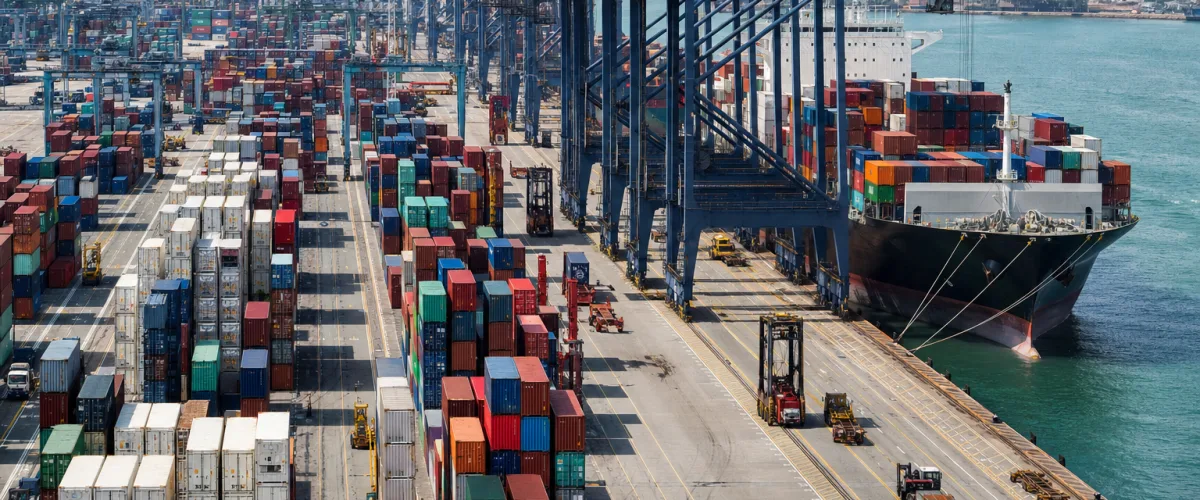
By market exposure, the rule reaches any operator whose ships, facilities or services touch Chinese waters: foreign-flagged container, tanker and bulk carriers calling at Chinese ports; Chinese ocean shipping companies such as COSCO Shipping; Chinese port and terminal operators; bunker fuel and ship service suppliers; and ship-repair, salvage and recycling yards. Foreign-flagged vessels are held to the international treaty certificates they already carry, while Chinese-flagged vessels must hold MSA-issued or MSA-recognized anti-pollution certificates.
What must be in place before the deadline?
Operators should close five gaps before November 1, 2026:
- Equipment and certification: vessel structure, materials and anti-pollution equipment certified to national ship-survey specifications and international treaty standards, with valid anti-pollution certificates on board (Articles 4 to 6).
- Crew competency: valid competency certificates and training records, with operating units training their personnel in safety and pollution-prevention procedures (Article 7).
- Port reception facilities: ports, terminals, loading stations and ship-repair yards equipped with pollution-monitoring and pollutant-reception facilities meeting national standards (Article 8).
- Pre-operation reporting: report tank washing, ballast water and garbage discharge, bunkering, ship repair, salvage and water dismantling to the MSA before the operation, with quantity follow-up for tank washing, ballast water discharge and bunkering (Article 9).
- High-risk operations: feasibility study and MSA inspection for the operations listed below (Article 10).
| High-risk operation | Threshold triggering a feasibility study and MSA inspection |
|---|---|
| Cargo-tank cleaning on oil tankers | Vessels of 30,000 DWT or more |
| Lightering of bulk liquid pollution-hazardous cargo | 10,000 tonnes or more |
| Wreck salvage | All cases |
| Oil tanker water dismantling | All cases |
What happens to non-compliant vessels?
The MSA enforces the rule through Port State Control inspections, China being a Tokyo MOU member, and can detain vessels that fall short. Pollution breaches carry penalties under the Marine Environment Protection Law, and the MSA can refuse port entry or deny operation approval. Anyone who observes actual or potential marine pollution must report it immediately to the nearest MSA office (Article 11).
Before November 1, 2026, verify which of your vessels and Chinese-port calls fall under Order No. 17, confirm certificates and crew training records are current, and brief your HSQE and operations teams on the new pre-operation reporting duties and their thresholds. Obsidian surfaces each MSA guidance notice and ministerial order per jurisdiction the moment it publishes, so a compliance team follows the change without re-checking the portal by hand.