
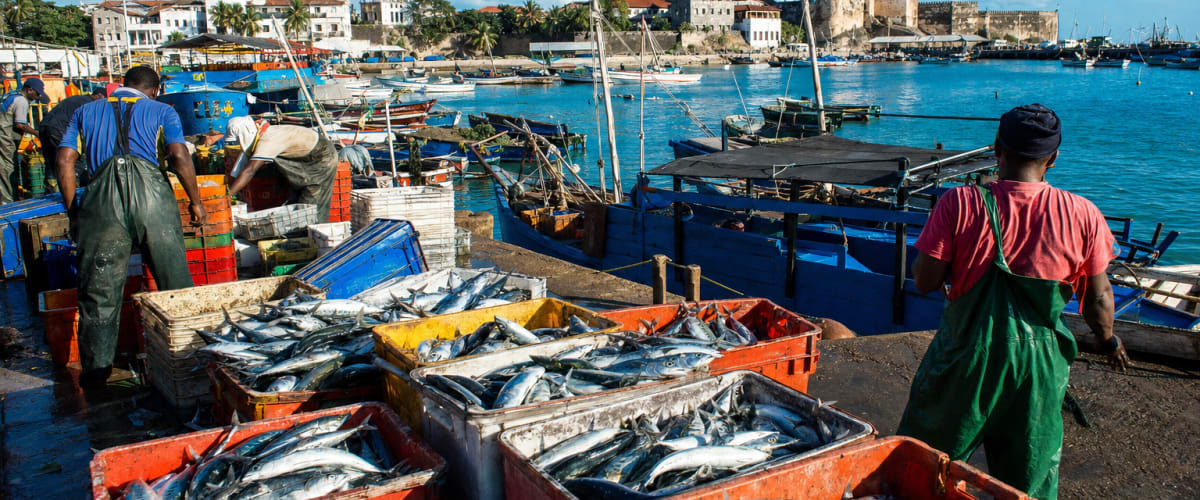
The Parliament of Kenya opened a public-participation window on September 22, 2026, inviting memoranda on the Fisheries Management and Development Bill, 2023 (National Assembly Bills No. 29 of 2023). The Bill will repeal the Fisheries Management and Development Act, 2016 (Cap. 378, Act No. 35 of 2016) and rebuild Kenya's fisheries regime around a new Kenya Fisheries Service, with revised vessel-licensing, aquaculture, catch-documentation and illegal-fishing control duties.
For compliance leads at Kenyan fishing companies, Lake Victoria aquaculture operators, marine processors selling into the EU, and the 82 registered coastal Beach Management Units (BMUs) in Mombasa, Kwale, Kilifi and Lamu, this Senate-stage window is the last formal chance to shape the text before a final vote and presidential assent. The National Assembly passed the Bill on August 5, 2026, and the Senate listed it for First Reading on September 8, 2026. The public notice does not publish a closing date, so affected actors should treat the window as short and submit promptly.
What does the Bill replace, and what does it add?
The Bill repeals the 2016 Act (Cap. 378) and re-enacts a consolidated framework for the management, development and conservation of fisheries and aquaculture, aligned to the 2010 Constitution. Its core moves are institutional and operational: it establishes the Kenya Fisheries Service (KFS) as the licensing and enforcement authority, sets new vessel-licensing requirements, writes standalone aquaculture permitting duties, and introduces catch-documentation and monitoring, control and surveillance (MCS) obligations aimed at illegal, unreported and unregulated (IUU) fishing.
For operators, the practical shift is that licensing, aquaculture approvals and catch traceability will sit under one statute and one service rather than the patchwork inherited from the 2016 framework. Processors and exporters that depend on EU market access should expect catch-documentation duties to harden, because EU entry for Kenyan fish already turns on verifiable catch origin under the EU's IUU catch-certification regime.
Who is exposed, and why does the Senate window matter now?
The exposed actors are wider than the catching sector. Industrial and artisanal fishing companies, vessel owners needing KFS licences, Lake Victoria aquaculture operators (including the LVA cluster), Nile perch and marine processors selling into the EU, and the 82 coastal BMUs all face new duties or altered rights under the Bill. Non-Kenyan buyers of Kenyan fish are indirectly exposed through the catch-documentation and traceability chain.
The window matters because the National Assembly has already voted. After the August 5, 2026 Third Reading in the National Assembly, the Bill crossed to the Senate, and the September 8, 2026 Order Paper listed it for First Reading there. Press reporting indicates coastal BMUs are already lobbying the Senate to restore area-closure clauses the National Assembly omitted, which makes this memoranda round the live lever for those amendments.
What should fisheries businesses and BMUs submit?
Memoranda should target the clauses that change commercial exposure: vessel-licensing thresholds and fees, aquaculture permitting and site-security rules, the catch-documentation and MCS provisions that gate EU export access, and the area-closure and co-management provisions the BMUs want restored. Submissions go to the Parliament of Kenya through the notice published on September 22, 2026.
Because no closing date is stated on the public page, the prudent course is to file within days, not weeks. Kenyan public-participation windows are typically short, and the Senate will move to committee and report stages once the window closes.
| Milestone | Date | Stage |
|---|---|---|
| National Assembly Second Reading | April 7, 2026 | Principles debated |
| National Assembly Third Reading | August 5, 2026 | NA passed the Bill |
| Senate First Reading listed | September 8, 2026 | Senate introduced |
| Memoranda notice published | September 22, 2026 | Public participation open |
| Expected enactment | Late 2026 to early 2027 | Senate vote, assent, Gazette |
Subscribe to the free newsletter
Next steps: confirm whether your operations need a KFS licence under the new framework, map your catch-documentation chain against the Bill's traceability duties, and brief your regulatory team to file a memorandum before the Senate window closes. Obsidian's per-jurisdiction monitoring surfaces parliamentary changes like this the moment they publish, so the compliance teams who must act are never late.


